

In a stark and tragic turn of events, four days of unprecedented extreme rainfall in the Indonesian province of North Sumatra have resulted in the devastating loss of approximately 7% of the world’s most endangered great ape – the Tapanuli orangutan. This catastrophic deluge, which unleashed over 1,000mm (39 inches) of rain in a mere four-day period in November 2025, triggered severe landslides that decimated a significant portion of the remaining Tapanuli orangutan population. The findings, detailed in a recent study, paint a grim picture for a species already teetering on the brink of extinction, underscoring the profound and immediate threat posed by escalating climate change and its impact on biodiversity.
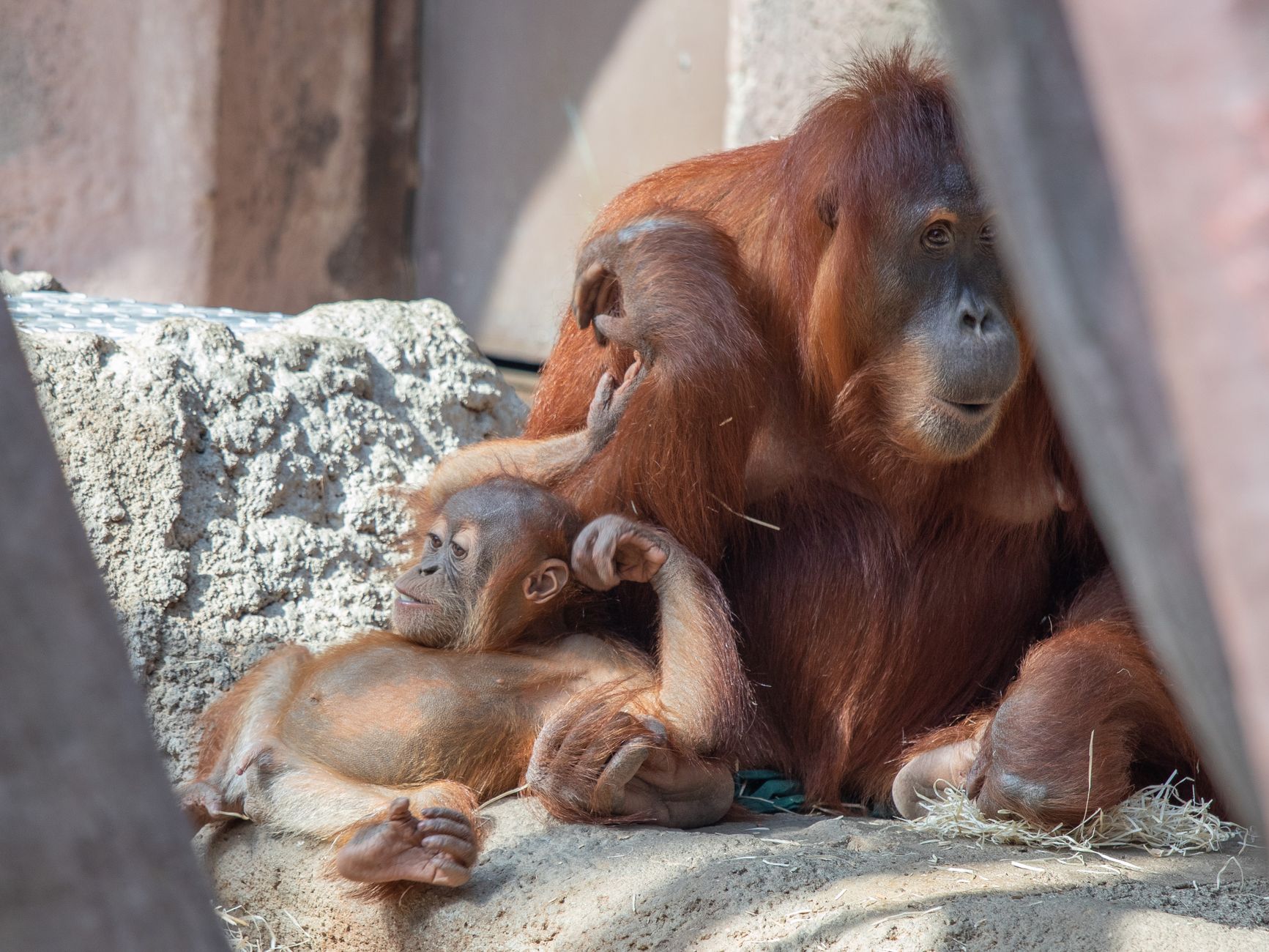
The Tapanuli orangutan (*Pongo tapanuliensis*) is a species unique to the island of Sumatra, Indonesia, and represents the most recently identified great ape species, having been scientifically described only in 2017. With an estimated population of just around 800 individuals remaining, they are critically endangered. Their primary habitat is confined to the Batang Toru ecosystem in North Sumatra, an area already under immense pressure from human activities including mining, palm oil plantations, and the development of a large hydropower project. The recent extreme weather event has not only directly killed an estimated 58 orangutans but has also severely impacted their already fragile habitat, raising urgent concerns among conservationists and scientists about the long-term survival prospects for this irreplaceable species.
The Devastating Impact of Extreme Weather on a Fragile Population

The sheer scale of the rainfall, exceeding 1,000mm over just four days, is a clear indicator of the intensified weather patterns associated with global climate change. This extreme event led to widespread landslides, which scientists believe directly caused the deaths of a significant number of Tapanuli orangutans. Professor Erik Meijaard, a key author of the study and managing director of Borneo Futures, noted that wildlife experts had observed a disappearance of orangutan sightings following the storm, fueling speculation that the apes had been victims of the floods and landslides. The loss of around 35 orangutans, as initially estimated by Professor Meijaard in December, represents a substantial blow to such a small and vulnerable population, highlighting the precarious existence of these great apes.
The study meticulously analyzed satellite imagery and orangutan density estimates to ascertain the precise impact of Cyclone Senyar on the Tapanuli orangutan population within the West Block of the Batang Toru ecosystem. This region, already a critical stronghold for the species, experienced the brunt of the extreme rainfall and subsequent landslides. The figures suggest that approximately 58 individuals perished, a number that translates to a harrowing 7% reduction of the total known population. This devastating loss is particularly acute given the species’ extremely low numbers and slow reproductive rate, making recovery from such a significant demographic shock a monumental challenge.
Habitat Destruction and Fragmentation
Beyond the direct fatalities, the extreme rainfall event has exacerbated the existing threats to the Tapanuli orangutan’s habitat. The landslides not only claimed lives but also undoubtedly destroyed or severely damaged crucial areas of the rainforest that form the orangutans’ home. This destruction of habitat is a critical issue, as the Batang Toru ecosystem is already fragmented by ongoing infrastructure development and agricultural expansion. The loss of even small patches of forest can have significant consequences for species with specialized habitat requirements and limited dispersal capabilities.
The confluence of extreme weather events and habitat degradation creates a perilous environment for the Tapanuli orangutan. The Indonesian island of Sumatra, like many regions globally, is experiencing more frequent and intense climate-related disasters. This trend poses a continuous threat to the remaining orangutan populations and their ecosystems. Conservation efforts must therefore address both the immediate impacts of such events and the underlying drivers of climate change and habitat loss to ensure the long-term survival of this species.
Climate Change as a Driving Force
The scientific consensus is increasingly linking extreme weather events, such as the devastating rainfall in Sumatra, to the broader phenomenon of climate change. As global temperatures rise due to increased greenhouse gas emissions, weather patterns become more erratic and intense. This study explicitly notes that the frequency and intensity of extreme rainfall in the region are likely to increase, posing a persistent and growing threat to the Tapanuli orangutans and their habitat. This phenomenon is not unique to Sumatra; similar impacts are being observed on wildlife populations across the globe, signaling a broader ecological crisis.
The role of climate change in exacerbating natural disasters is a critical area of concern for conservationists. The Batang Toru ecosystem, vital for the Tapanuli orangutan, is vulnerable to these shifts. The study’s findings serve as a potent reminder that climate change is not a distant future threat but a present-day crisis with tangible and devastating consequences for endangered species. Understanding this causal link is essential for formulating effective mitigation and adaptation strategies. Why does this matter? Because the Tapanuli orangutan is an indicator species; its fate reflects the health of its entire ecosystem, and by extension, the broader impacts of climate change on a global scale.
The Urgency of Conservation Efforts
The recent event underscores the critical need for intensified and immediate conservation efforts for the Tapanuli orangutan. With 7% of the population lost in a single event, the urgency to protect their remaining habitat and mitigate human impacts is paramount. Conservationists have long advocated for the halting or modification of destructive projects within the Batang Toru area, such as the proposed hydropower dam, which poses a direct threat to orangutan movement and habitat connectivity.
The study’s authors and other experts emphasize that a multi-faceted approach is required. This includes not only protecting the remaining forest but also working with local communities, implementing sustainable land-use practices, and advocating for stronger environmental policies at national and international levels. The Tapanuli orangutan’s survival hinges on a concerted global effort to address both the immediate threats and the overarching challenge of climate change.
What This Means for the World
The plight of the Tapanuli orangutan serves as a potent symbol of the broader biodiversity crisis unfolding globally. The direct link between extreme weather events, climate change, and the decimation of a critically endangered species sends a clear message about the interconnectedness of our planet’s ecosystems. As highlighted by the study, the increasing intensity of rainfall in Sumatra suggests a trend that is likely to affect other species and habitats worldwide, emphasizing the global implications of regional environmental changes.
This event has significant implications for international conservation policy and climate action. It amplifies the call for more robust climate change mitigation strategies and highlights the need for greater investment in protecting critical habitats for endangered species. The Tapanuli orangutan’s vulnerability to extreme weather underscores the disproportionate impact of climate change on biodiversity hotspots and the urgent need for adaptive conservation measures that account for these shifting environmental conditions. The loss of this species would represent an irreplaceable void in the planet’s rich tapestry of life.
Looking Ahead
The future for the Tapanuli orangutan remains uncertain, but the recent study provides crucial data to inform ongoing and future conservation strategies. The finding that approximately 58 orangutans were killed in this single event emphasizes that the species is extremely vulnerable to environmental shocks. Moving forward, conservationists will likely focus on enhancing habitat restoration, improving monitoring of the remaining population, and advocating for stricter regulations on development projects within and around the Batang Toru ecosystem.
Furthermore, the continued study of extreme weather patterns and their impact on wildlife is essential. Understanding the precise mechanisms by which such events affect orangutan behavior, survival rates, and habitat use will be critical for developing effective long-term conservation plans. The scientific community’s ongoing vigilance and research are vital in charting a path toward safeguarding the Tapanuli orangutan from the compounding threats of climate change and human encroachment.
In conclusion, the devastating loss of 7% of the world’s rarest Tapanuli orangutans due to extreme rainfall and landslides is a tragic wake-up call. It starkly illustrates the profound and immediate consequences of climate change on our planet’s most vulnerable species and ecosystems. The fate of the Tapanuli orangutan is intrinsically linked to our global commitment to environmental protection and climate action, serving as a poignant reminder of what is at stake and the urgent need for decisive measures to preserve biodiversity for future generations.