
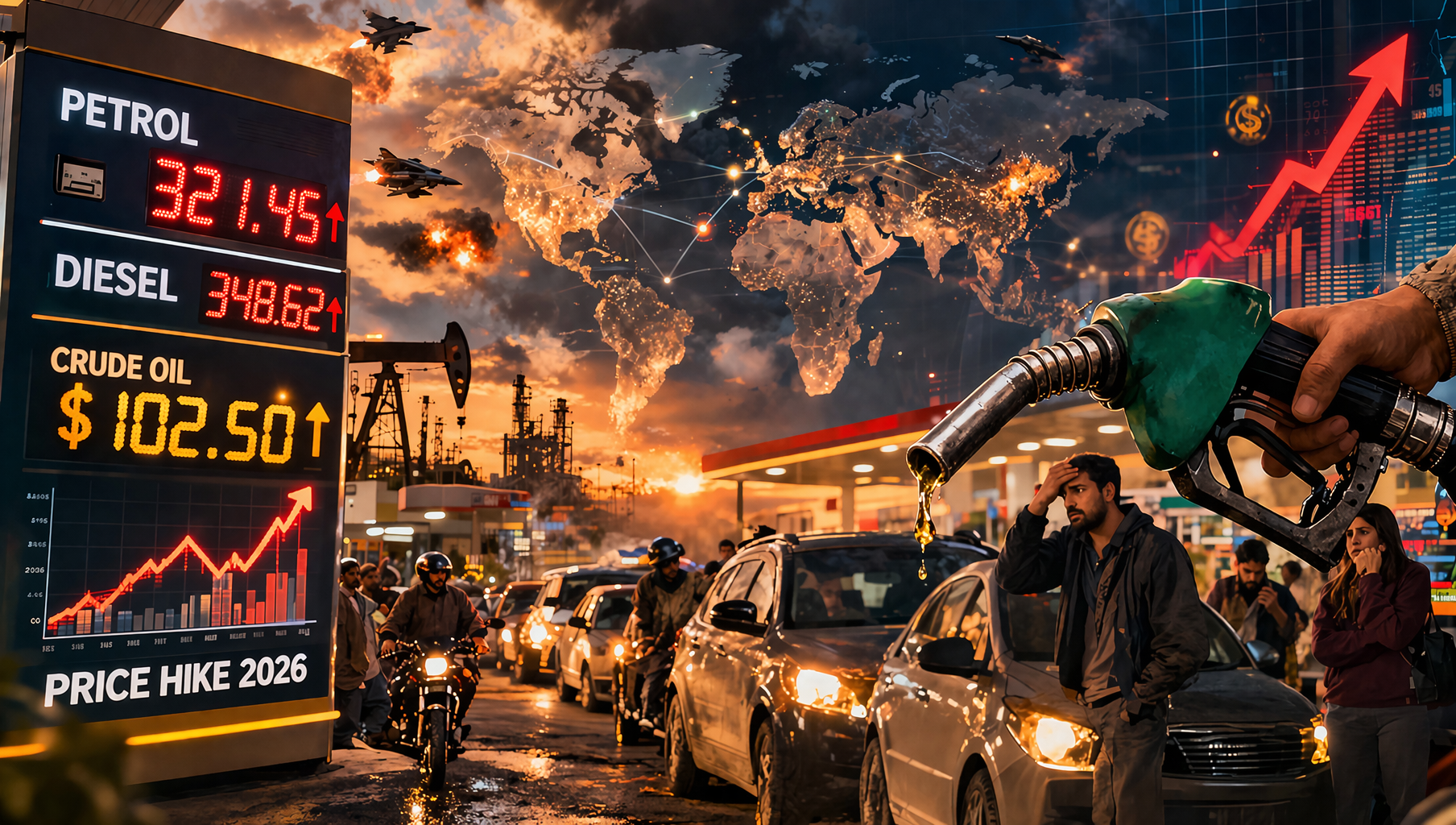
Introduction: A Global Oil Crisis Shaping Everyday Life
The world in 2026 is witnessing renewed geopolitical tensions and regional conflicts that are shaking global economic stability. One of the most visible consequences is the sharp Petrol Price Increase Due to War, affecting millions of people daily.
From rising transport fares to higher grocery bills, fuel inflation is influencing how people travel, work, and live. Wars disrupt oil supply chains, trigger market uncertainty, and push crude prices upward — creating a ripple effect across the global economy.
This blog explores why petrol and diesel prices rise during wars, the latest fuel trends, the economic impact on developing nations like Pakistan, and what the future may hold for the global oil market.
Why Petrol and Diesel Prices Increase During Wars
Wars significantly impact fuel prices due to several interconnected factors. Understanding these reasons helps explain the current oil crisis 2026 and rising cost of living worldwide.

1. Disruption of Oil Supply Chains
Oil-producing regions are often directly or indirectly affected by wars. Conflicts can damage oil fields, pipelines, and refineries, reducing global supply.
When supply decreases and demand remains stable or increases, prices naturally surge. This is a key reason behind the diesel price hike and petrol cost increases seen in recent months.
2. Increased Global Demand and Market Panic
War creates uncertainty in financial markets. Countries start stockpiling fuel reserves to ensure energy security. This sudden surge in demand puts pressure on the global oil market, driving prices higher.
Investors also speculate on future shortages, which can further inflate crude oil prices even before actual supply disruptions occur.
3. Transport Route Blockages and Security Risks
Major shipping routes like strategic sea lanes become high-risk zones during conflicts. Insurance costs for oil tankers rise, transport delays occur, and logistical challenges increase overall fuel prices.
These additional costs are passed on to consumers, contributing to fuel inflation across the world.
4. Economic Sanctions and Trade Restrictions
During wars, countries often impose sanctions on oil-producing nations. This limits exports and reduces availability in global markets.
As supply tightens, fuel-importing countries experience sudden price shocks. This situation is common in developing economies that depend heavily on imported petroleum.
Latest Global Fuel Price Trends in 2026
Fuel prices in 2026 have shown extreme volatility due to geopolitical instability. Several trends are shaping the current fuel landscape:
- Crude oil prices have fluctuated between $95 and $120 per barrel.
- Many countries have reduced fuel subsidies due to budget pressure.
- Diesel prices have increased faster than petrol due to industrial demand.
- Renewable energy investments are rising as governments seek long-term solutions.
These trends highlight how the Petrol Price Increase Due to War is not just temporary but part of a broader structural shift in global energy markets.
Economic Impact on Developing Countries Like Pakistan
Developing countries face the harshest consequences of fuel price shocks. Pakistan, for example, relies heavily on imported oil, making it vulnerable to global market fluctuations.
Currency Depreciation and Import Bills
When oil prices rise, countries must spend more foreign currency on imports. This weakens national currencies and increases fiscal deficits.
Higher import bills reduce government spending capacity on healthcare, education, and infrastructure.
Rising Public Debt
To manage fuel subsidies and control inflation, governments often borrow more. This increases public debt and economic instability in the long term.
Fuel Inflation and Rising Cost of Living
Fuel inflation has a direct and indirect impact on everyday expenses.
Transport Costs
Transport fares increase as fuel prices rise. This affects:
- Public buses and ride-hailing services
- Freight and logistics companies
- Airline ticket prices
Higher transport costs reduce consumer purchasing power and slow economic activity.
Food Prices and Supply Chain Pressure
Agriculture and food distribution depend heavily on diesel-powered machinery and transport.
As diesel prices rise, farmers face higher production costs. These costs are eventually reflected in higher retail food prices, worsening inflation.
Impact on Businesses and Freelancers
The diesel price hike and fuel inflation also affect businesses across sectors.
Small Businesses
Retail shops, delivery services, and manufacturers face increased operational expenses. Profit margins shrink, forcing businesses to raise prices or reduce workforce.
Freelancers and Remote Work Trends
High commuting costs are encouraging more professionals to shift towards remote work. This trend is boosting digital industries and freelance opportunities globally.
However, power generation costs also rise due to fuel dependency, affecting productivity in energy-constrained regions.
Real-World Example: Fuel Crisis Ripple Effect
In many urban centers, transport strikes and fare hikes have become common due to rising petrol costs.
For instance:
- Delivery charges for online shopping have increased.
- Public transport routes have been reduced to cut fuel expenses.
- Businesses are shifting to hybrid work models to manage costs.
These real-world impacts demonstrate how the Petrol Price Increase Due to War influences both macroeconomic stability and daily life decisions.
Future Predictions for Oil Prices
Experts predict that fuel markets will remain volatile in the coming years. Several possible scenarios could shape future price trends:
Scenario 1: Prolonged Conflict
If geopolitical tensions continue, crude oil prices may remain above $110 per barrel. Fuel inflation could persist, slowing global economic growth.
Scenario 2: Diplomatic Resolution
Peace agreements and restored supply chains may stabilize prices. However, markets may take time to regain confidence.
Scenario 3: Energy Transition Acceleration
High fuel prices may accelerate investments in renewable energy and electric mobility. This could reduce long-term dependence on fossil fuels.
Possible Solutions to the Fuel Crisis
Governments, businesses, and individuals can take steps to manage the impact of rising fuel prices.
Electric Vehicles and Clean Energy
Adopting electric vehicles can reduce petrol consumption and lower emissions. Governments are offering incentives to encourage EV adoption.
Renewable energy sources like solar and wind power can also reduce reliance on imported fuel.
Fuel Saving Tips for Individuals
Here are practical ways to reduce fuel expenses:
- Maintain proper tire pressure and vehicle servicing
- Avoid unnecessary trips and use public transport
- Practice smooth driving and reduce idling time
- Consider carpooling or remote work options
These small actions can collectively reduce fuel demand and help stabilize prices.
Frequently Asked Questions (FAQs)
1. Why do petrol prices rise during wars?
Wars disrupt oil supply, increase demand uncertainty, and raise transport costs, leading to higher fuel prices globally.
2. What is fuel inflation?
Fuel inflation refers to rising fuel prices that increase the cost of goods and services across the economy.
3. Why is diesel more expensive than petrol sometimes?
Diesel demand from industries, agriculture, and logistics can push prices higher than petrol.
4. How does the global oil market affect local fuel prices?
Local prices depend on international crude rates, currency exchange, taxes, and government policies.
5. Can renewable energy reduce fuel price shocks?
Yes. Renewable energy reduces dependence on imported oil and improves long-term energy security.
Conclusion: Navigating an Uncertain Energy Future
The Petrol Price Increase Due to War in 2026 highlights the deep connection between geopolitics and everyday economic realities. From rising inflation to changing work patterns, fuel prices influence nearly every aspect of modern life.
While short-term volatility may continue, the crisis also presents an opportunity to accelerate energy transition and adopt smarter consumption habits. Governments must focus on sustainable policies, and individuals can contribute through responsible fuel use.
What do you think — will fuel prices continue rising, or will renewable energy reshape the future? Share your thoughts and stay updated with NewWorldUpdates for the latest global insights.