
1. Compelling Introduction
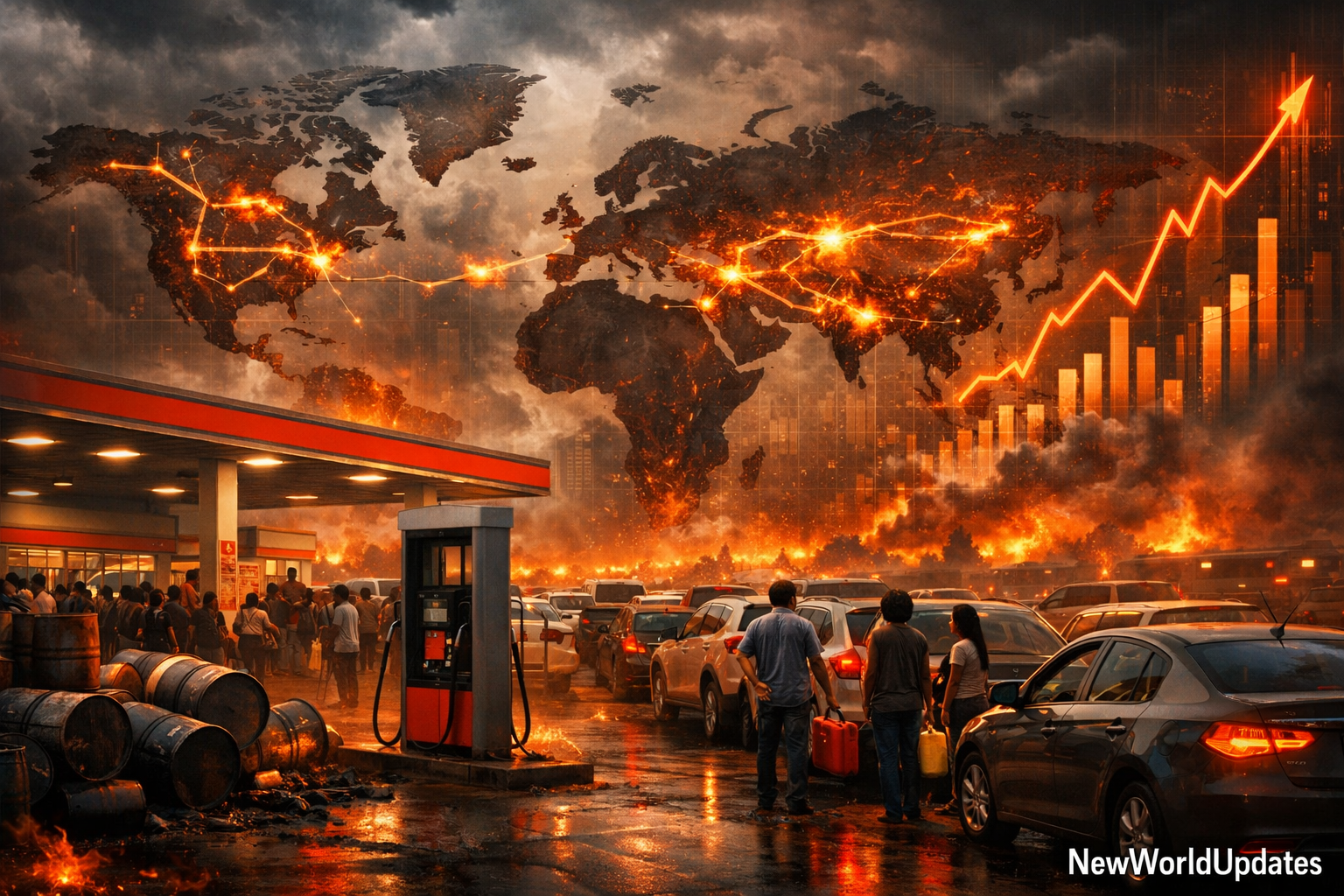
The world is once again facing a turning point as fuel prices surge and energy supplies tighten across multiple regions. From long queues at fuel stations to rising transport costs and inflation, the effects of the Fuel Crisis Worldwide 2026 are being felt in nearly every part of daily life.
At the center of this crisis lies a complex mix of geopolitical tensions, supply disruptions, and growing global demand. What makes this situation critical is its wide-reaching impact—affecting not just economies but also food prices, trade, and the cost of living for billions of people.
This article breaks down the key causes, consequences, and future outlook of the global fuel crisis in a clear and easy-to-understand way.
2. What is the Global Fuel Crisis?
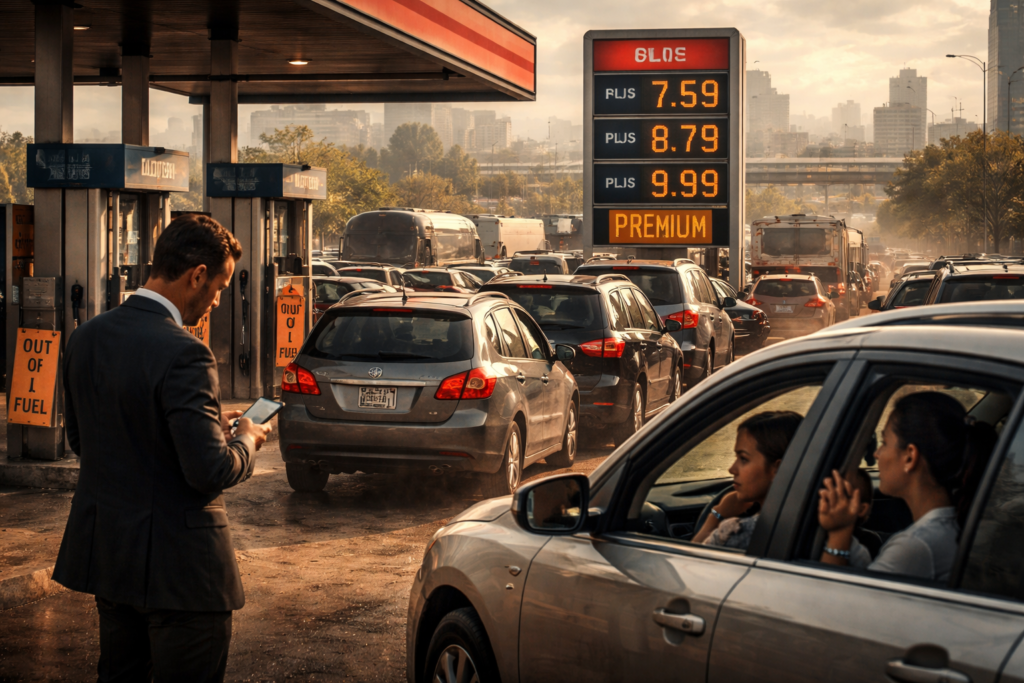
The global fuel crisis refers to a situation where the supply of fuel—mainly oil and gas—is unable to meet global demand, leading to sharp increases in prices and shortages in some regions.
In 2026, the crisis has intensified due to disruptions in major oil-producing regions and instability in global supply chains. Oil is a critical resource powering transportation, industries, electricity production, and even agriculture. When its supply is disrupted, the effects ripple across the entire global economy.
In simple terms, the Fuel Crisis Worldwide 2026 is not just about fuel scarcity—it’s about how energy instability affects everything from grocery prices to international trade.
3. Major Causes of the Fuel Crisis Worldwide 2026
🌍 Geopolitical Conflicts and Instability
Ongoing tensions in key oil-producing regions, particularly in the Middle East, have disrupted oil supply routes. Areas like the Strait of Hormuz, through which a large percentage of global oil is transported, play a crucial role in global energy security.
🛢️ Oil Production Cuts
Major oil-producing nations and alliances, including OPEC+, have adjusted production levels to stabilize markets or increase revenues. While this strategy benefits producers, it often reduces global supply, contributing to rising fuel prices.
🚚 Supply Chain Disruptions
Global logistics systems are still recovering from past disruptions. Shipping delays, increased transportation costs, and infrastructure limitations have made it harder to move fuel efficiently across countries.
📈 Rising Global Demand
As economies recover and industrial activity increases, global demand for energy is rising. Emerging markets in Asia and Africa are contributing significantly to increased fuel consumption.
⚡ Transition Challenges to Renewable Energy
While countries are investing in renewable energy, the transition is not yet fast enough to replace fossil fuels. This creates a temporary imbalance between demand and sustainable supply.
4. Impact on the Global Economy
The Fuel Crisis Worldwide 2026 is having a direct impact on the global economy in several ways:
📊 Inflation and Rising Costs
Fuel is a key component in production and transportation. As fuel prices rise, so do the costs of goods and services. This leads to inflation, reducing purchasing power worldwide.
🚛 Transportation and Logistics
Shipping costs have increased significantly, affecting global trade. From shipping containers to air freight, transportation becomes more expensive, ultimately affecting consumers.
🏭 Business Operations
Industries such as manufacturing, aviation, and agriculture are heavily dependent on fuel. Increased operational costs lead to reduced profit margins and, in some cases, layoffs or reduced output.
🛒 Daily Life Challenges
For ordinary people, the crisis is felt through:
- Higher grocery bills
- Expensive commuting costs
- Increased electricity prices
- Overall rise in cost of living
5. Impact on Developing Countries (Focus on Pakistan & Asia)
Developing countries are among the hardest hit by the fuel crisis.
In regions like Pakistan and other parts of Asia, fuel imports play a major role in meeting energy needs. When global oil prices rise:
- Governments face pressure to increase fuel prices locally
- Subsidies become harder to maintain
- Currency depreciation increases import costs
- Inflation rises sharply
For example, rising fuel prices directly affect transportation fares, food prices, and electricity costs. This creates a chain reaction that impacts low and middle-income households the most.
In Pakistan, where economic stability is already a challenge, the fuel crisis worldwide 2026 has intensified financial strain on both individuals and businesses.
6. Fuel Crisis and Inflation Connection
Fuel and inflation are closely connected.
When fuel prices increase:
- Transportation costs rise
- Manufacturing becomes more expensive
- Food production and distribution costs increase
This leads to higher prices for everyday goods, which is known as cost-push inflation.
In simple terms, when fuel becomes expensive, everything else becomes expensive too. This is why the energy crisis plays such a critical role in shaping global inflation trends.
7. Future Outlook: What Happens Next?
The future of the Fuel Crisis Worldwide 2026 depends on several factors:
📉 Short-Term Outlook
- Fuel prices may remain volatile due to geopolitical tensions
- Temporary shortages may continue in certain regions
- Governments may introduce subsidies or price controls
📈 Medium-Term Outlook
- Increased investment in alternative energy sources
- Greater focus on energy security and diversification
- Gradual stabilization if supply improves
🌱 Long-Term Outlook
- A shift toward renewable energy (solar, wind, hydrogen)
- Reduced dependency on fossil fuels
- Technological advancements improving energy efficiency
Experts suggest that while the crisis may not disappear quickly, it is likely to drive long-term changes in how the world produces and consumes energy.
8. Possible Solutions and Alternatives
To address the global fuel crisis, several strategies are being explored:
🌞 Renewable Energy Expansion
Countries are investing heavily in renewable energy sources like solar, wind, and hydroelectric power to reduce reliance on oil.
⚙️ Energy Efficiency Improvements
Governments and industries are working to improve fuel efficiency in vehicles, machinery, and infrastructure.
🌐 Global Cooperation
International organizations are encouraging cooperation among countries to stabilize oil markets and ensure fair distribution.
🚗 Alternative Fuels and Technologies
Electric vehicles (EVs), hydrogen fuel, and biofuels are becoming more popular as long-term alternatives to fossil fuels.
🏛️ Policy Reforms
Governments are reviewing energy policies, subsidies, and taxation systems to better manage fuel demand and supply.
9. Conclusion
The Fuel Crisis Worldwide 2026 is more than just a temporary spike in fuel prices—it is a global challenge that highlights the vulnerability of our energy systems.
From geopolitical tensions to rising demand and supply chain disruptions, multiple factors are contributing to this complex situation. Its impact is being felt across economies, businesses, and households, especially in developing countries.
However, this crisis also presents an opportunity. It is accelerating the transition toward cleaner, more sustainable energy sources and encouraging governments to rethink energy strategies.
As the world navigates through this uncertain period, one thing is clear: the future of energy will shape the future of the global economy.
“If you want to Know more about whats going on around the world here you can see World News“