
Introduction
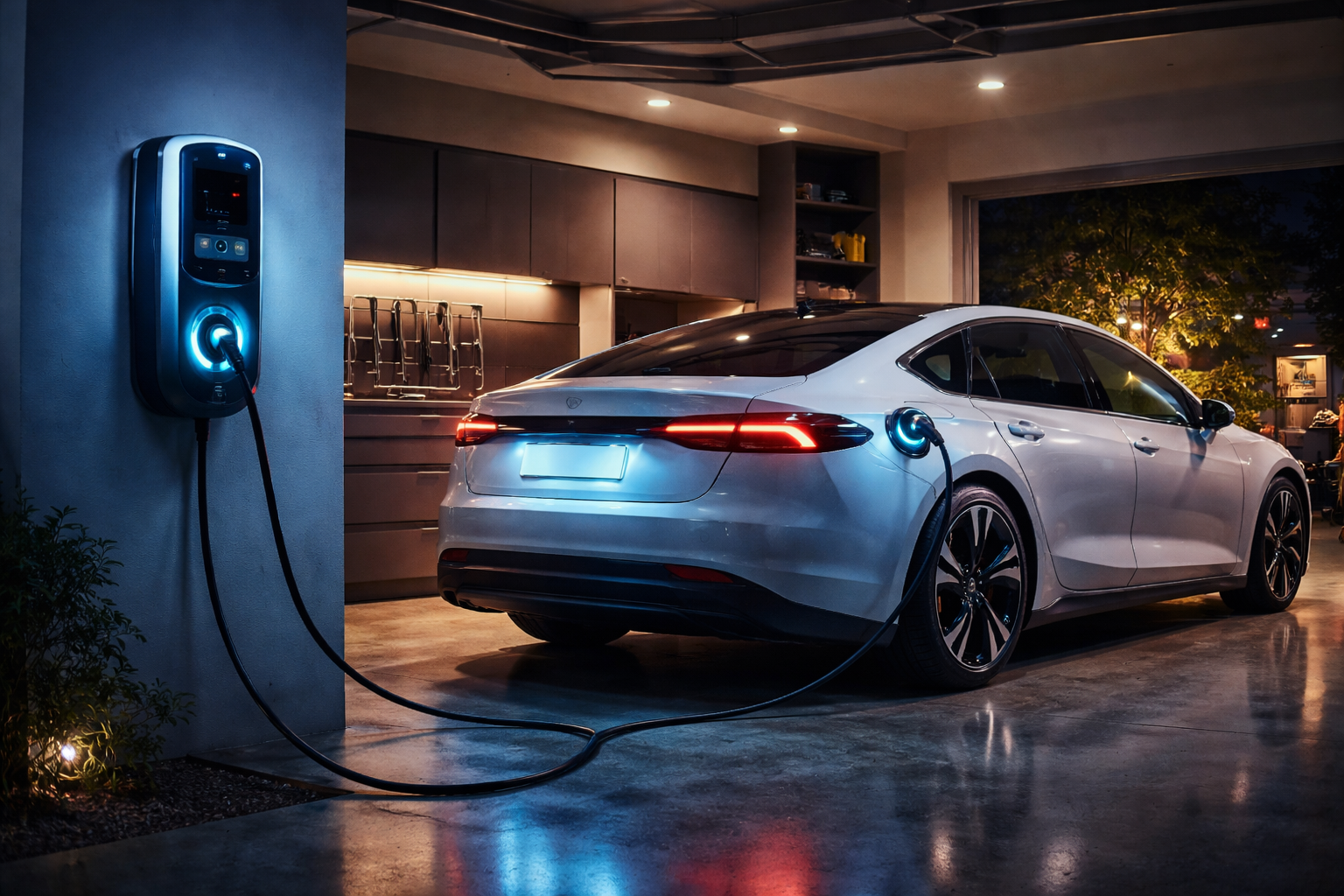
The global transition to electric vehicles is accelerating at a remarkable pace—and with it comes a fundamental shift in how people power their cars. Gone are the days when refueling meant a trip to the gas station. Today, true convenience begins at home.
Imagine plugging in your car overnight and waking up to a fully charged vehicle every morning—no waiting, no queues, and no fluctuating fuel prices. A home electric car charger turns this vision into reality, making it one of the smartest upgrades for modern homeowners.
As EV adoption continues to surge worldwide, understanding how home charging works—and how to choose the right setup—has become essential. This comprehensive guide explores everything from charger types and costs to trends shaping the future of home EV charging.
📑 Table of Contents
- What is a Home Electric Car Charger?
- Types of EV Chargers Explained
- Why Home Charging is the Future
- Costs & Installation Breakdown
- Key Trends in 2026
- Economic & Environmental Impact
- Expert Insights & Buying Tips
- Future Outlook
- Conclusion
- FAQs
⚙️ What is a Home Electric Car Charger?
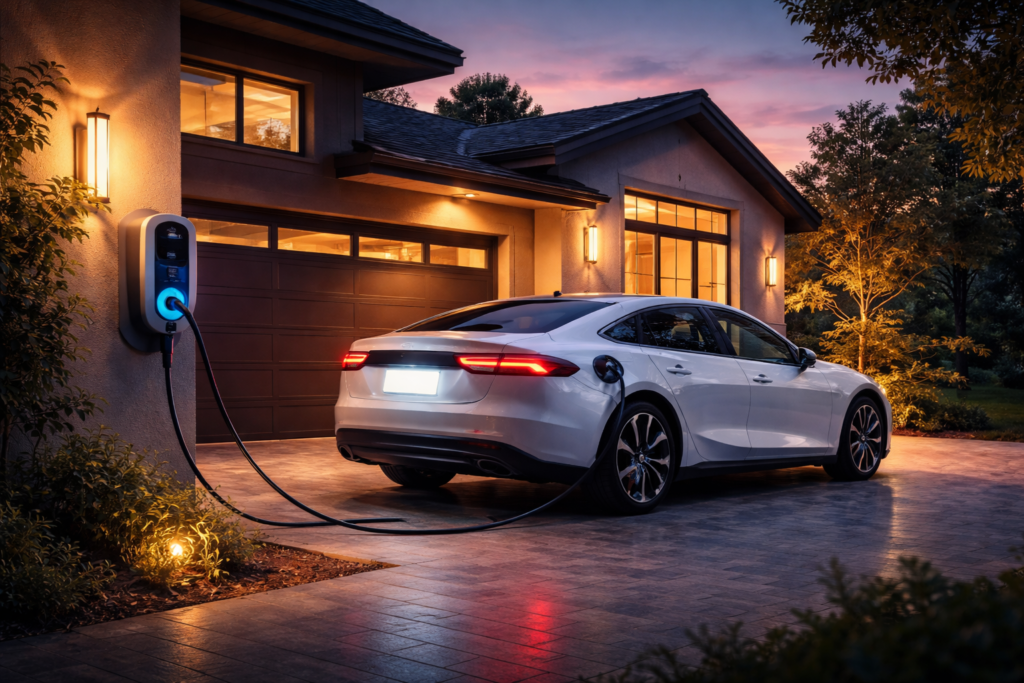
A home electric car charger is a device that allows you to charge your electric vehicle directly from your home’s electrical system. While every EV comes with a basic charging cable, dedicated home chargers significantly improve speed, efficiency, and safety.
Unlike public charging stations, home chargers offer complete control over when and how your vehicle charges. For most EV owners, home is the primary charging location, accounting for the majority of daily charging needs.
🔌 Types of EV Chargers Explained
Choosing the right charger starts with understanding the available options.
🔹 Level 1 Charger (Basic Option)
- Uses a standard household outlet (120V)
- Adds 3–5 miles of range per hour
- Suitable for light daily usage
🔹 Level 2 Charger (Most Popular Choice)
- Requires a 240V outlet (similar to those used for air conditioners or ovens)
- Adds 20–60 miles of range per hour
- Ideal for daily use and faster charging
🔹 DC Fast Charger (Commercial Use)
- Provides extremely fast charging (up to 80% in about 30 minutes)
- Expensive and rarely used in residential settings
👉 For most households, Level 2 chargers offer the best balance of speed, cost, and practicality.
🚗 Why Home Charging is the Future
The convenience of home charging is reshaping how people think about transportation.
Key Benefits:
- Ultimate Convenience: Charge overnight without leaving home
- Lower Costs: Electricity is cheaper than gasoline
- Time Savings: No need for public charging stops
- Smart Control: Schedule charging during off-peak hours
Industry data suggests that over 80% of EV charging happens at home, making it the backbone of the electric mobility ecosystem.
💰 Costs & Installation Breakdown
Installing a home EV charger is an investment—but one that pays off over time.
💸 Estimated Costs (2026):
- Charger unit: $400 – $1,200
- Installation: $300 – $2,000
- Electrical upgrades: $500+ (if required)
📊 Factors That Affect Cost:
- Your home’s electrical capacity
- Distance from the electrical panel
- Type of charger and features
- Local labor costs
💡 Important Tip:
Many governments offer rebates, tax credits, or incentives, which can significantly reduce upfront costs.
📈 Key Trends in 2026
The home EV charging space is evolving rapidly, driven by innovation and increasing demand.
🔹 Smart Chargers
Modern chargers now include:
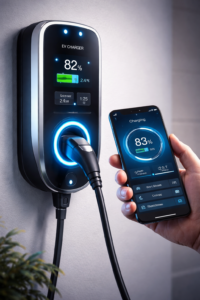
- Mobile app control
- Energy tracking
- Remote scheduling
🔹 Solar Integration
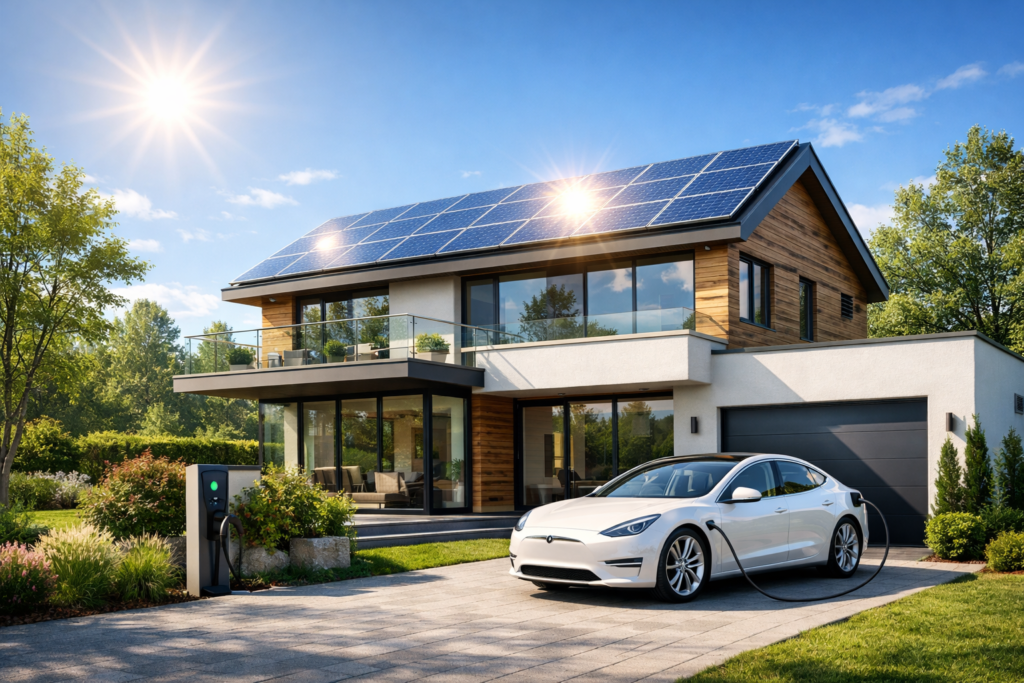
Homeowners are increasingly pairing EV chargers with solar panels, enabling:
- Clean energy usage
- Reduced electricity bills
- Greater energy independence
🔹 Vehicle-to-Grid (V2G)
This emerging technology allows EVs to:
- Send electricity back to the home
- Support the power grid during peak demand
🔹 AI & Automation
AI-driven systems optimize charging times based on:
- Electricity pricing
- Usage patterns
- Grid demand
🌍 Economic & Environmental Impact
🌱 Environmental Benefits
- Reduced greenhouse gas emissions
- Lower air pollution in urban areas
- Support for renewable energy adoption
💼 Economic Benefits
- Lower long-term transportation costs
- Growth in green energy jobs
- Increased property value for EV-ready homes
The rise of EV charging infrastructure is fueling a multi-billion-dollar global industry, with home charging at its core.
🧠 Expert Insights & Buying Tips
Choosing the right home charger requires careful consideration.
✔️ Expert Recommendations:
- Invest in a Level 2 charger for better efficiency
- Choose a smart charger for enhanced control
- Ensure compatibility with your EV model
- Hire a certified electrician for installation
🔍 Features to Look For:
- Charging speed (kW rating)
- Safety certifications
- Connectivity options (Wi-Fi/Bluetooth)
- Weather-resistant design (for outdoor installation)
🔮 Future Outlook
The future of home EV charging is smarter, faster, and more integrated.
🚀 What to Expect:
- Wireless (cable-free) charging
- Ultra-fast residential charging systems
- Full smart home integration
- AI-powered energy ecosystems
As governments push toward zero-emission goals, home chargers are expected to become a standard household feature worldwide.
🏁 Conclusion
The transition to electric vehicles is not just about cleaner transportation—it’s about smarter living. A home electric car charger offers unmatched convenience, cost savings, and control over your energy usage.
As technology advances and infrastructure improves, investing in a home charger is no longer optional for EV owners—it is essential. It represents a shift toward a more efficient, sustainable, and future-ready lifestyle.
❓ FAQs
1. How long does it take to charge an EV at home?
Level 1 chargers can take over 24 hours, while Level 2 chargers typically fully charge a vehicle in 6–10 hours.
2. Is installing a home charger expensive?
Costs generally range from $700 to $3,000, depending on installation complexity and equipment.
3. Can I install a charger myself?
Professional installation is strongly recommended to ensure safety and compliance.
4. Will charging at home increase my electricity bill?
Yes, but it is still significantly cheaper than gasoline.
5. Are smart EV chargers worth it?
Yes. They provide better efficiency, control, and long-term savings.