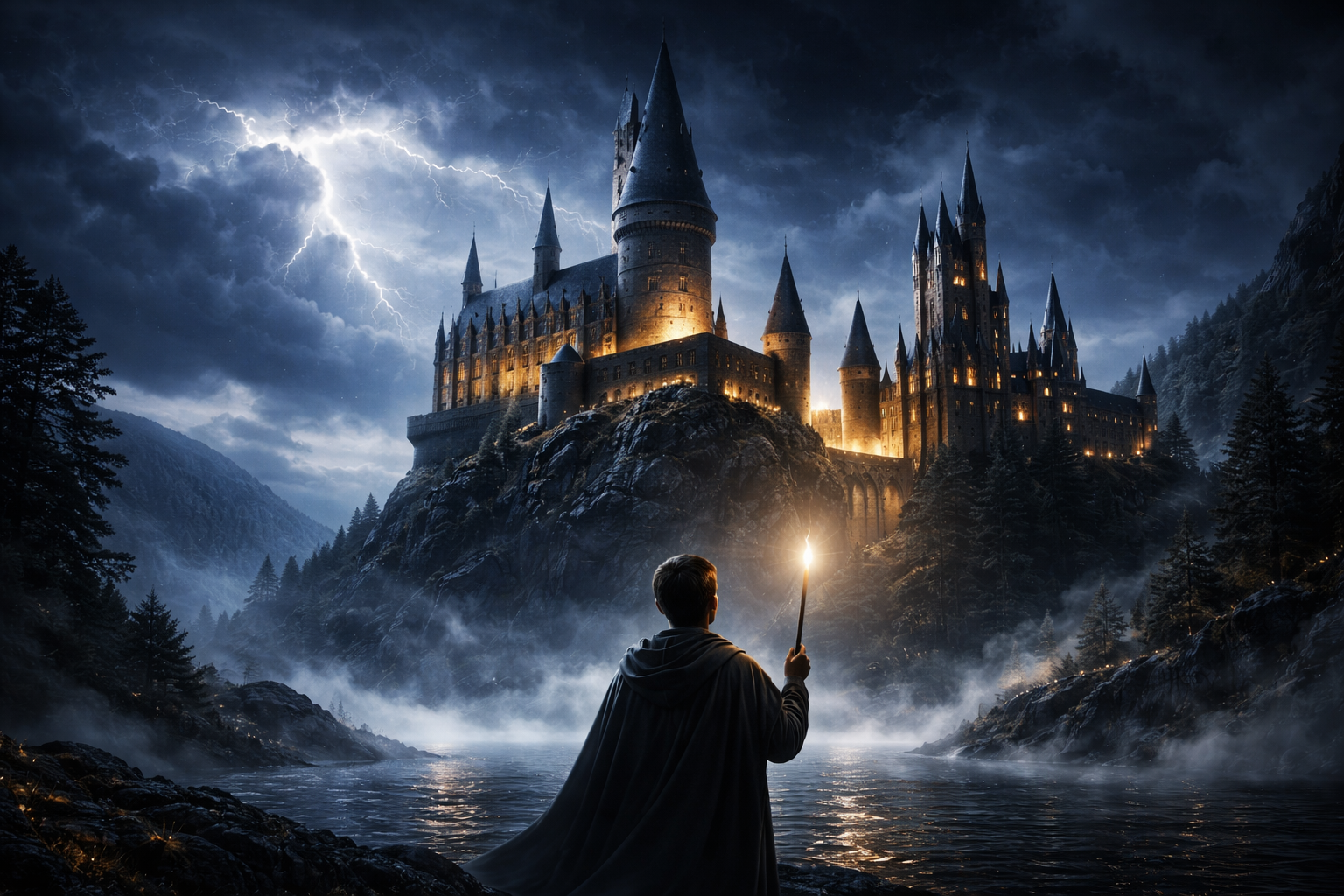
Introduction: Why the Wizarding World Is Trending Again
The global entertainment industry is witnessing a powerful nostalgia wave — and nothing proves this better than the explosive reaction to the Harry Potter TV series trailer.
For more than two decades, the Wizarding World has remained one of the most influential storytelling universes in modern pop culture. Now, with a new episodic adaptation officially in development by Warner Bros. Discovery for streaming platform Max, fans are entering a fresh era of magical storytelling.
The trailer has already ignited intense debate across social media, fan forums, and entertainment markets. But beyond the hype, what does this reboot truly mean for audiences, the entertainment economy, and the future of franchise storytelling?
This deep-dive analysis explores everything you need to know.
🎬 Harry Potter TV Series Trailer: Overview & Global Context
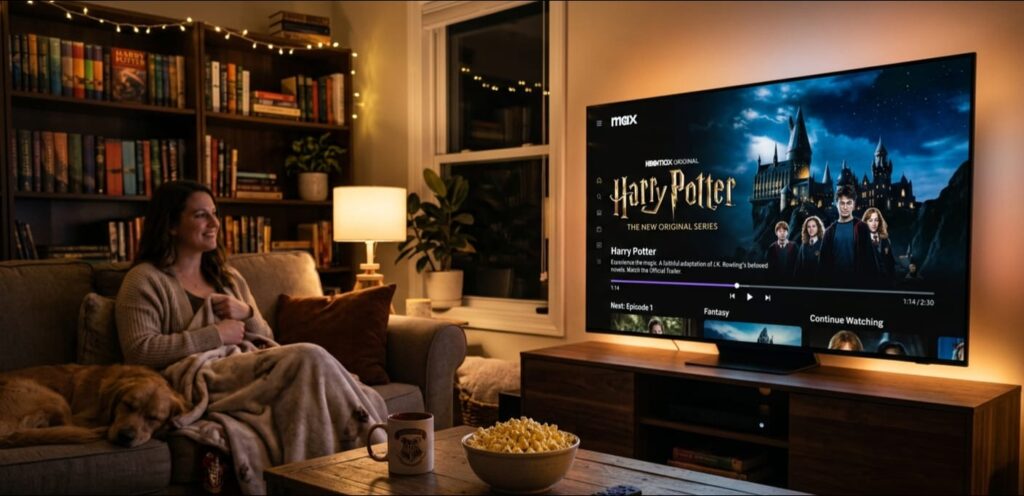
The upcoming Harry Potter TV series is not just another remake — it represents a strategic franchise reinvention.
Originally based on the globally bestselling books by J. K. Rowling, the story of young wizard Harry Potter has already generated over $7.7 billion at the global box office from its original film saga.
However, the new television format allows creators to explore deeper storytelling layers that the films could not fully capture.
🌐 Why This Trailer Matters Globally
- Streaming competition is intensifying
- Franchise storytelling is dominating Hollywood economics
- Nostalgia-driven content is outperforming original IP
- Long-form storytelling boosts subscriber retention
Industry analysts believe the reboot could become one of the most significant entertainment launches of the decade.
⭐ Key Trends Shaping the Harry Potter Reboot
📺 Trend 1: The Rise of Episodic Franchise Universes
Modern audiences prefer immersive worlds rather than standalone stories.
Platforms like Netflix and Disney+ have already proven that series-based adaptations generate longer engagement cycles.
By converting Harry Potter into a multi-season narrative, producers can:
- Expand character arcs
- Introduce previously omitted subplots
- Deepen emotional storytelling
- Extend franchise lifespan
This approach mirrors successful franchise expansions such as The Lord of the Rings: The Rings of Power.
🧙 Trend 2: Gen Z & New Audience Acquisition
While millennials grew up watching the original films, Gen Z and Gen Alpha audiences are discovering Harry Potter through streaming platforms and digital fandom culture.
The trailer’s cinematic tone, darker visuals, and modern pacing signal a deliberate attempt to appeal to:
- Younger viewers
- Global streaming subscribers
- Fantasy genre enthusiasts
- Online fan communities
According to market projections, fantasy content consumption could grow by 30% globally by 2028, making this reboot perfectly timed.
🎥 Trend 3: Prestige TV Production Standards
The trailer suggests high production values similar to premium shows like House of the Dragon.
This includes:
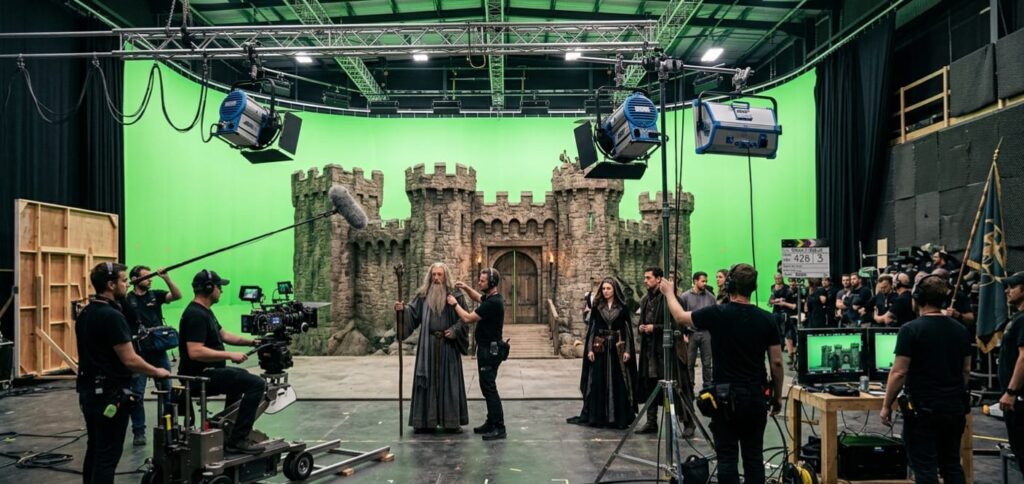
- Cinematic VFX
- Large-scale set design
- Character-driven storytelling
- Long-term narrative planning
Such quality positioning could redefine expectations for literary adaptations.
📊 Real-World Market Impact & Franchise Economics
The Wizarding World remains one of the most profitable entertainment ecosystems ever created.
💰 Revenue Streams Likely to Surge
- Streaming subscriptions
- Merchandise sales
- Theme park attendance
- Gaming collaborations
- Publishing reprints
For example, after the release of the Harry Potter and the Deathly Hallows – Part 2, global merchandise demand surged significantly.
Analysts predict that the TV reboot could trigger a similar economic ripple effect across multiple industries.
🌟 Case Study: Nostalgia Reboots That Dominated Streaming
The Harry Potter reboot strategy follows proven patterns.
Successful Examples
- Wednesday revived interest in classic gothic storytelling
- Stranger Things monetized retro nostalgia
- Top Gun: Maverick became a global box office phenomenon
These successes demonstrate that emotional connection + modern storytelling = massive audience engagement.
🔮 Future Predictions (2026–2030): The Wizarding World Expansion
📈 Prediction 1: Multi-Season Story Universe
Industry insiders expect the series to run for 7–10 seasons, potentially covering each book with greater depth.
🎮 Prediction 2: Integrated Gaming Experiences
Interactive storytelling, VR wizard duels, and metaverse classrooms could become reality — especially if partnerships emerge with gaming giants like Electronic Arts.
🌍 Prediction 3: Global Spin-Off Opportunities
Future spin-offs may explore:
- The founders of Hogwarts
- Dark wizard history
- International wizard schools
- Young versions of iconic characters
This could transform Harry Potter into a Marvel-style narrative universe.
🧠 Expert Analysis: Risks & Challenges
Despite the excitement, the reboot faces significant hurdles.
⚠️ Creative Expectations
Fans have strong emotional attachments to actors like Daniel Radcliffe and Emma Watson.
Replacing iconic performances is one of the biggest creative risks.
⚠️ Franchise Fatigue
Over-expansion can dilute storytelling quality — something already seen in multiple cinematic universes.
⚠️ Cultural Debate & Public Perception
Public discourse surrounding franchise creators can influence marketing strategies and audience sentiment.
Studios must balance nostalgia with fresh narrative innovation.
💡 What This Means for Viewers & the Entertainment Industry
For Fans
- Expect deeper book accuracy
- More screen time for side characters
- Expanded magical lore
- Modern cinematic storytelling
For Content Creators & Bloggers
This reboot creates massive opportunities for:
- Review content
- Trailer breakdown videos
- SEO-driven entertainment blogs
- Fan theory articles
- Character analysis posts
For Streaming Platforms
The series could become a subscriber acquisition powerhouse, especially in emerging digital markets.
🏁 Conclusion: A New Magical Era Begins
The Harry Potter TV series trailer is more than a teaser — it is a signal that global entertainment is entering a franchise reinvention phase.
With evolving audience expectations, intense streaming competition, and technological storytelling innovations, this reboot has the potential to redefine fantasy television.
Whether it becomes the next cultural phenomenon or a risky nostalgia gamble will depend on execution, writing quality, and audience connection.
One thing is certain:
✨ The Wizarding World is far from over — it is only beginning a new chapter.