
Introduction
The world today is more connected than ever before. Yet, political tensions between nations continue to rise, shaping global security, economic stability, and the lives of millions of people.
From territorial disputes to ideological differences, modern political conflicts influence everything from energy prices to international alliances. These conflicts are not just distant headlines — they affect global markets, technology development, trade routes, and even everyday life.
Understanding the top political conflicts affecting the world today helps us see how global power dynamics are evolving and what the future might look like. In this article, we explore some of the most significant geopolitical tensions shaping international politics today.
1. Russia–Ukraine War: A Conflict Reshaping Europe
One of the most significant political conflicts today is the war between Russia and Ukraine. What started as a regional conflict has quickly turned into a major geopolitical crisis involving multiple global powers.
The war has impacted global security in several ways:
- Increased military tensions across Europe
- Expansion of defense alliances
- Economic sanctions affecting global trade
- Energy supply disruptions
Many countries have imposed strict economic sanctions on Russia, while others have supported Ukraine with financial aid and military assistance. This conflict has also led to rising energy prices and economic uncertainty in many parts of the world.
The outcome of this war will likely shape European security policies for decades.
2. U.S.–China Rivalry: The Battle for Global Influence
Another major political conflict influencing global affairs is the growing rivalry between the United States and China.
This competition is not limited to military power. It also includes:
- Technology dominance
- Trade and economic competition
- Influence in international organizations
- Military presence in strategic regions
Both nations are investing heavily in advanced technologies such as artificial intelligence, semiconductors, and cybersecurity.
The rivalry has also led to trade restrictions and economic policies designed to reduce dependence on each other’s supply chains. As a result, many analysts believe the U.S.–China rivalry could define global politics for the next generation.
3. Middle East Tensions: Long-Standing Regional Conflicts
The Middle East has historically been one of the most politically complex regions in the world.
Several ongoing tensions continue to affect regional stability, including disputes involving:
- Israel and neighboring territories
- Iran’s nuclear ambitions
- Proxy conflicts between regional powers
These conflicts influence global politics because the region plays a major role in the world’s energy supply. Political instability in this area often impacts oil prices and global markets.
Diplomatic negotiations continue, but lasting peace remains a major challenge.
4. South China Sea Disputes
The South China Sea is one of the most strategically important waterways in the world. Several countries claim territorial rights over islands and maritime areas in this region.
Countries involved in these disputes include:
- China
- Vietnam
- Philippines
- Malaysia
- Brunei
- Taiwan
The region is critical because:
- One-third of global shipping passes through it
- It contains valuable natural resources
- It holds strategic military importance
Rising military activity and territorial claims have increased tensions, making this one of the most closely watched geopolitical hotspots.
5. India–China Border Tensions
Border disputes between India and China have been ongoing for decades, but tensions have increased in recent years.
The disagreement centers around sections of their long Himalayan border. Occasional military stand-offs have raised concerns about stability in the region.
This conflict is significant because both countries are:
- Major economic powers
- Nuclear-armed nations
- Influential players in global politics
Although diplomatic discussions continue, maintaining peace along the border remains a delicate challenge.
6. North Korea and Global Security Concerns
North Korea continues to be a major source of political tension in international relations.
The country’s nuclear weapons program has raised serious concerns among global leaders. Frequent missile tests and military demonstrations increase fears of instability in the region.
Efforts to negotiate denuclearization have faced many challenges over the years. Despite diplomatic talks, tensions remain high in East Asia.
7. Taiwan Issue: A Potential Global Flashpoint
Taiwan has become one of the most sensitive political issues in global politics.
China considers Taiwan part of its territory, while Taiwan operates with its own democratic government and political system.
The situation is particularly significant because:
- Taiwan is a major global technology hub
- It produces a large portion of the world’s semiconductors
- It sits in a strategically important region
Any major escalation could have serious economic and geopolitical consequences for the entire world.
Why These Conflicts Matter Globally
Political conflicts are not limited to the countries directly involved. Their effects often spread across the world in several ways.
Economic Impact
Conflicts can disrupt trade routes, increase inflation, and affect global supply chains.
Security Concerns
Military tensions often lead to increased defense spending and strategic alliances.
Technological Competition
Geopolitical rivalries are driving competition in advanced technologies such as artificial intelligence and cybersecurity.
Humanitarian Consequences
Conflicts can lead to displacement, economic hardship, and humanitarian crises.
Because of these impacts, international organizations and governments continue working toward diplomatic solutions.
Key Takeaways
- Several major political conflicts are shaping global politics today.
- The Russia–Ukraine war has significantly impacted European security and global energy markets.
- The rivalry between the United States and China is influencing technology and economic policies worldwide.
- Territorial disputes in regions like the South China Sea remain major geopolitical concerns.
- Political conflicts affect not only governments but also global economies and everyday life.
Understanding these conflicts helps people stay informed about global developments and their potential impact on the future.
Frequently Asked Questions (FAQ)
What are the biggest political conflicts in the world today?
Some of the most significant conflicts include the Russia–Ukraine war, U.S.–China rivalry, Middle East tensions, South China Sea disputes, and the Taiwan issue.
Why do political conflicts happen between countries?
Political conflicts often arise from territorial disputes, economic competition, ideological differences, and struggles for global influence.
How do global conflicts affect everyday life?
They can influence fuel prices, global trade, international travel, and economic stability.
Can diplomacy solve international conflicts?
Diplomacy plays a crucial role in reducing tensions. Many conflicts are addressed through negotiations, peace agreements, and international cooperation.
Why is geopolitical awareness important?
Understanding geopolitical issues helps people stay informed about global trends, international policies, and economic developments.
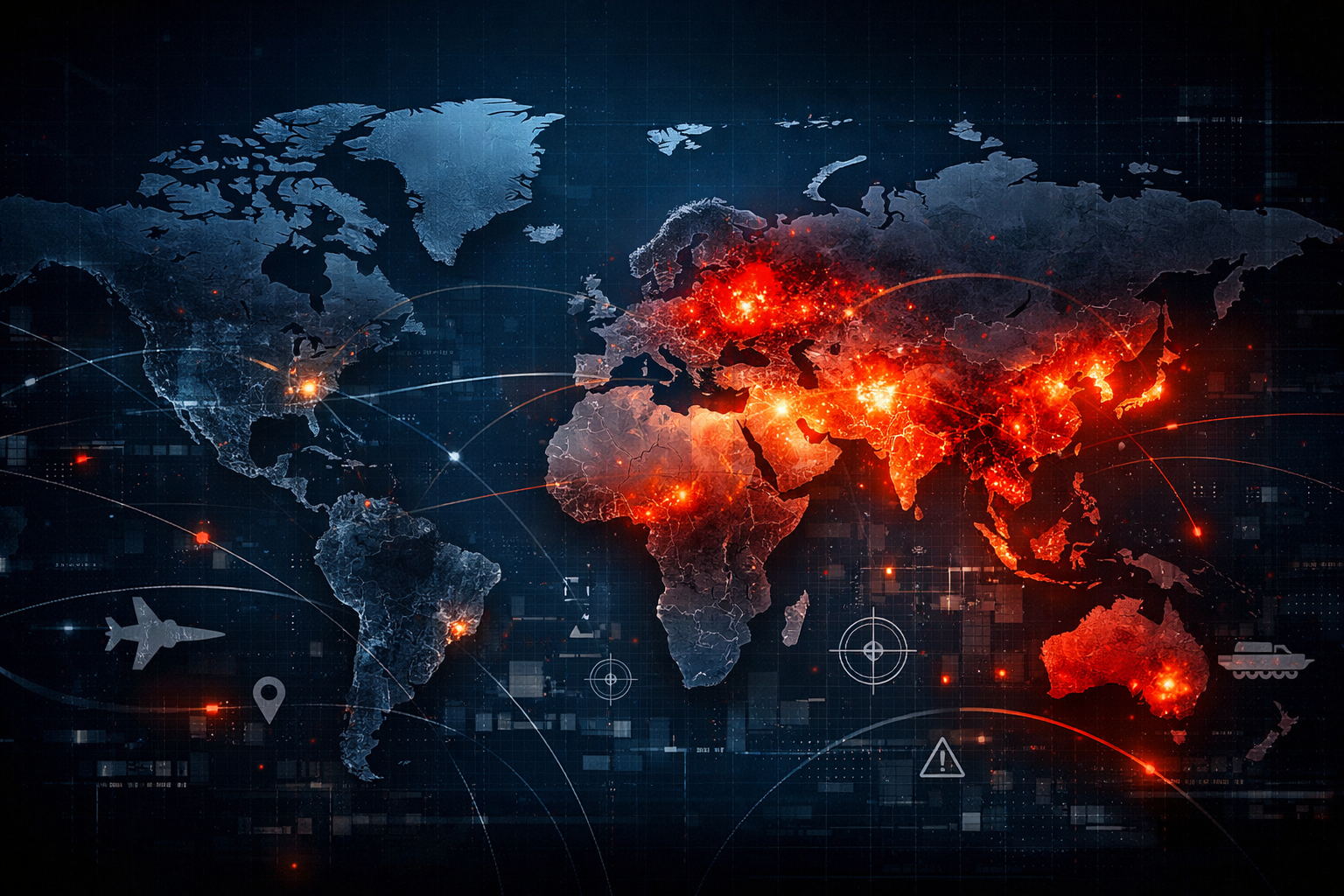
Feature Image Idea (For Google Discover)
Create a high-quality 16:9 feature image showing:
- A world map with highlighted conflict zones
- Subtle political borders and global tension visuals
- Dark news-style background with glowing regions representing conflicts
This type of visual works well for Google Discover and news-related content.
Suggested Internal Linking Ideas
To improve SEO on NewWorldUpdates, link this article to:
- Articles about global economy trends
- Posts covering international technology competition
- News updates related to world politics
- Articles about global military developments
Internal links help improve user engagement and search engine ranking.
Suggested External Authority Sources
For credibility, reference information from well-known international organizations such as:
- United Nations reports
- Global policy research institutes
- International news agencies
- Academic research on geopolitics
These sources help strengthen the reliability of the article.
Conclusion
Political conflicts remain one of the most powerful forces shaping the modern world. From military tensions to economic competition, these disputes influence global security, trade, and diplomacy.
While the challenges are complex, international cooperation and diplomatic efforts continue to play a vital role in preventing escalation and maintaining global stability.
Staying informed about global political conflicts helps individuals, businesses, and governments better understand the changing world around them.
For more insights on global trends, technology, and international developments, explore more articles on NewWorldUpdates.