
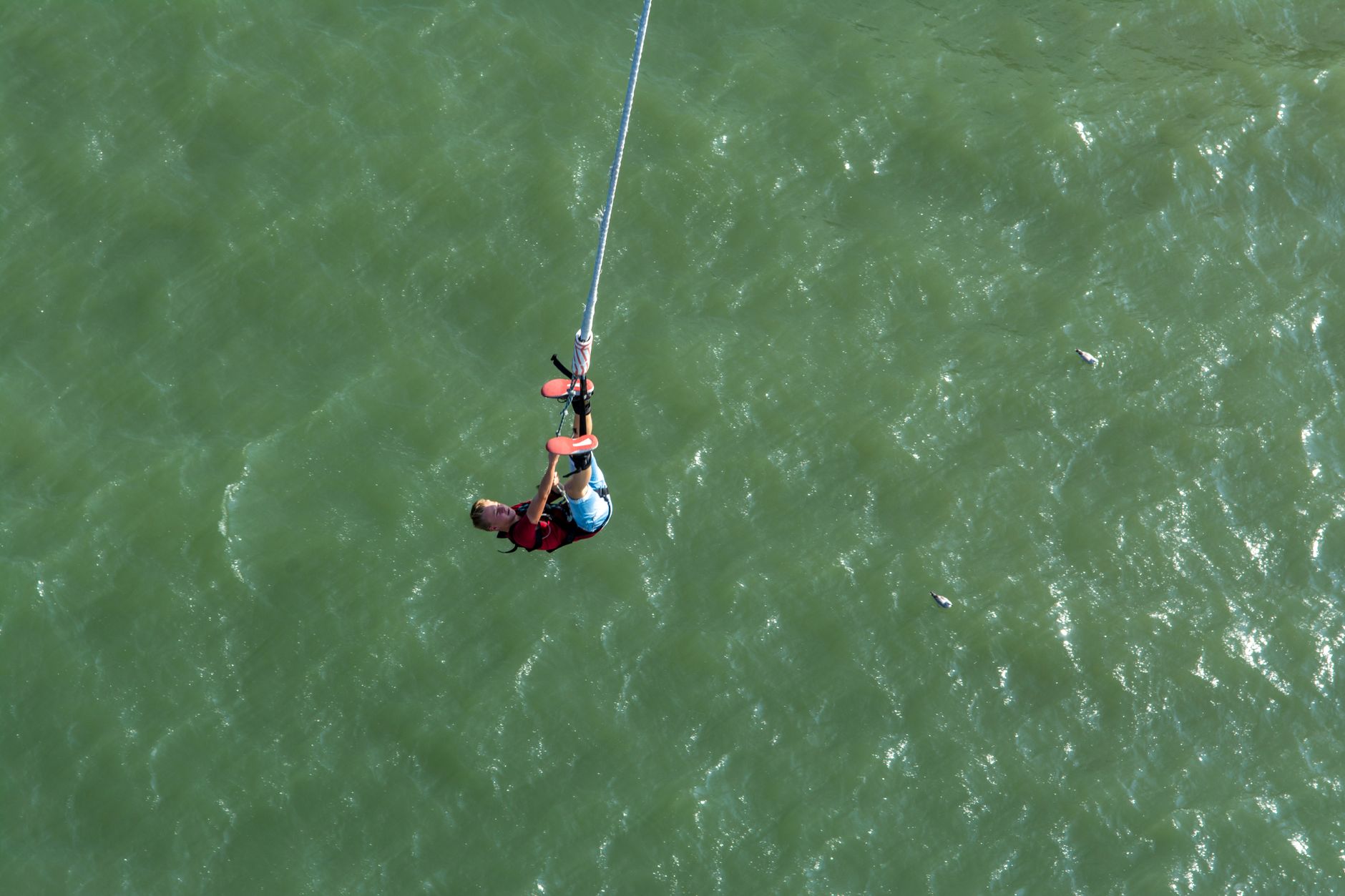
The tragic death of a 21-year-old woman in São Paulo, Brazil, has sent shockwaves through the international adventure tourism community after video footage revealed a catastrophic safety oversight during a rope-jumping excursion. The victim, identified as Maria Eduarda Rodrigues de Freitas, plummeted to her death from the Ponte do Esqueleto after instructors allegedly failed to attach her safety cord before casting her off the bridge’s edge. This harrowing Brazil rope jumping accident, which took place on the border of Limeira and Cordeirópolis, has led to the immediate arrest of three men and sparked a global conversation regarding the lack of stringent regulations in high-risk recreational sports.
The incident occurred at the notorious ‘Skeleton Bridge,’ a location popular among thrill-seekers for its dramatic height and scenic surroundings. Witnesses at the scene reported a chilling atmosphere of confusion that quickly turned to horror as the realization of the missing safety equipment set in. According to local law enforcement and forensic reports, the fundamental protocol of verifying the harness-to-rope connection was entirely bypassed. This failure of basic operational safety has turned a viral social media moment into a grim cautionary tale for the burgeoning adventure tourism industry in South America.
Investigative reports from the region suggest that the instructors involved may have been operating without the necessary certifications required for such high-stakes activities. The Civil Police of São Paulo have confirmed that the three individuals currently in custody are facing charges of involuntary manslaughter, though the investigation remains fluid as authorities examine the technical equipment used on that fateful day. This tragedy underscores the ‘Wild West’ nature of extreme sports in certain jurisdictions where the demand for adrenaline often outpaces the implementation of safety standards. The video evidence, which has circulated widely on platforms like X and Instagram, provides a haunting visual record of the moments leading up to the fall, capturing the frantic warnings of onlookers that went unheeded by the crew.
The Mechanics of a Fatal Oversight in Adventure Sports

In the realm of extreme sports, rope jumping is often conflated with bungee jumping, yet the technical requirements and safety redundancies differ significantly. In a standard operation, a series of ‘double-checks’ is mandatory, involving at least two separate instructors verifying the integrity of the carabiners, harnesses, and the primary rope attachment. In the case of the Maria Eduarda incident, forensic experts suggest that the sheer speed of the operation may have contributed to a psychological phenomenon known as ‘expectation bias.’ Instructors likely believed the equipment was secured because they had performed the task hundreds of times before, leading to a fatal lapse in situational awareness.
The technical failure at the Ponte do Esqueleto is being analyzed as a systemic breakdown rather than a simple mechanical malfunction. Reports indicate that the primary safety cord remained on the bridge’s platform while the victim was projected into the void, a scenario that is almost unheard of in professional operations. To understand the gravity of this error, one must look at the international safety protocols in adventure sports, which mandate that the jumper must be physically tethered to an anchor point before even approaching the ledge. The absence of this tethering suggests a complete disregard for established survival guidelines that are standard across the global industry.
Furthermore, the location itself has come under scrutiny as authorities question whether the site was officially sanctioned for commercial jumping activities. Many of these ‘urban exploration’ sites operate in a legal gray area, attracting unlicensed operators who capitalize on the viral popularity of extreme sports. The local municipality has frequently attempted to restrict access to the abandoned bridge, but the allure of the 20-meter drop continues to draw hundreds of tourists each weekend. This case highlights the urgent need for a centralized regulatory body in Brazil that can enforce safety standards and certify instructors before they are allowed to manage human lives.
A Comparative Analysis of High-Risk Jumping Disciplines

To better understand the risks associated with the Brazil rope jumping accident, it is essential to categorize the different types of gravity-based sports currently trending globally. While bungee jumping utilizes an elastic cord to absorb the kinetic energy of a fall, rope jumping typically involves static or dynamic climbing ropes that create a pendulum-style swing. This distinction is vital because the equipment and the physics of the fall require different types of rigging and different safety redundancies. The following table highlights the key technical differences and inherent risks of these popular extreme activities.
| Discipline | Primary Equipment | Deceleration Method | Common Safety Redundancy | Relative Risk Factor |
|---|---|---|---|---|
| Rope Jumping | Dynamic/Static Ropes | Pendulum Swing | Secondary Safety Line | High (Technical Rigging) |
| Bungee Jumping | Elastic Bungee Cord | Elastic Rebound | Redundant Harness Straps | Moderate (Standardized) |
| Base Jumping | Specialized Parachute | Aerodynamic Canopy | Reserve Chute (Optional) | Extreme (Low Altitude) |
| Bridge Swinging | Steel Cables/Ropes | Fixed Arc Swing | Steel Cable Backups | Low to Moderate |
As seen in the table, rope jumping carries a high risk due to the complexity of the technical rigging required to ensure a smooth transition from a vertical fall to a horizontal swing. Unlike bungee jumping, which relies on the predictable physics of an elastic cord, rope jumping requires precise calculations of rope length and anchor points to avoid collision with the structure or the ground. In the São Paulo incident, the failure was not in the calculation, but in the execution, as the primary connection was never established. This serves as a stark reminder for enthusiasts to stay informed with the latest global safety developments and breaking news before participating in unverified activities.
The Legal Fallout and the Path to Industry Reform
The arrest of the three instructors marks the beginning of what is expected to be a landmark legal battle for the Brazilian justice system. Prosecutors are expected to argue that the instructors exhibited ‘conscious guilt,’ a legal term indicating that the defendants recognized the potential for danger but acted with reckless indifference toward the outcome. Under Brazilian law, the penalties for such negligence can be severe, especially when the incident is documented so clearly by eyewitness video. Legal analysts suggest that this case could lead to a massive overhaul of how adventure tourism companies are licensed and insured across the country.
Current Brazilian regional legal investigations are focusing on whether the company operating at the Skeleton Bridge had a history of safety complaints or near-misses. Historically, many of these operators have evaded oversight by moving locations frequently or operating under different business names. The victim’s family has called for a ‘Maria Eduarda Law’ that would mandate specific safety certifications for all extreme sports instructors in the state of São Paulo. This movement is gaining traction as more citizens demand accountability from the tourism sector, which contributes significantly to the local economy but often lacks the safety net of professional liability.
Expert testimony from professional riggers suggests that the equipment itself was likely capable of supporting the jump, pointing the finger squarely at human error during the preparation phase. One of the instructors in custody reportedly claimed that a miscommunication occurred between the person holding the victim’s feet and the person responsible for the harness attachment. However, safety experts argue that no such ‘miscommunication’ should be possible in a professional environment where a final physical check of every carabiner is a non-negotiable step. The tragedy has effectively halted all rope-jumping operations in the Limeira region as the community mourns the loss of a young life cut short by avoidable negligence.
Psychological Impact and the Influence of Viral Culture
The role of social media in the Brazil rope jumping accident cannot be understated, as the pursuit of ‘viral content’ often drives both operators and participants to take unnecessary risks. In an age where a perfectly timed video can garner millions of views, the pressure to deliver a ‘cinematic’ experience sometimes leads to a relaxation of safety protocols. Maria Eduarda, like many of her peers, was a vibrant young woman who enjoyed sharing her adventures online, a fact that makes the existence of the fatal video all the more poignant. Social media platforms are now being pressured to better moderate content that promotes unauthorized or dangerous locations, as these videos often serve as free advertising for unregulated companies.
Psychologists who study extreme sports behavior point to a phenomenon known as ‘social proof,’ where individuals assume a situation is safe simply because they see others doing it on the internet. When a bridge like the Ponte do Esqueleto becomes a trending destination, the perceived risk decreases in the minds of the public, despite the lack of official safety oversight. This ‘normalization of deviance’ is a common factor in many adventure tourism accidents, where minor safety shortcuts gradually become standard practice until a catastrophic failure occurs. The death of Maria Eduarda serves as a brutal wake-up call to the reality behind the filtered images of thrill-seeking culture.
Moving forward, the adventure sports community in Brazil is at a crossroads where it must choose between the status quo of ‘shadow operations’ and a future of professionalization. Many established jumping clubs are distancing themselves from the instructors involved, emphasizing that their protocols involve multiple redundant systems that make such an accident virtually impossible. By highlighting these differences, the industry hopes to rebuild trust with a public that is understandably terrified by the footage of the Limeira fall. For the family of the victim, however, no amount of reform can replace the life of a woman who simply wanted to experience the thrill of flight but was met with the ultimate failure of care.
Frequently Asked Questions (FAQs)
How did the Brazil rope jumping accident occur?
The accident happened at the Ponte do Esqueleto bridge in São Paulo when instructors cast 21-year-old Maria Eduarda Rodrigues de Freitas off the edge without attaching her safety rope to her harness. Video footage shows the instructors holding the victim before letting her go, while the safety cord remained unattached on the bridge platform.
Who was the woman who died in the Brazil rope jumping accident?
The victim was Maria Eduarda Rodrigues de Freitas, a 21-year-old resident of the São Paulo region. She was an adventure enthusiast who had gone to the bridge for a recreational rope-jumping session with a group of instructors when the fatal error occurred.
Are rope jumping instructors arrested in Brazil for these incidents?
Yes, in this specific case, three men who were acting as instructors have been arrested by the Civil Police of São Paulo. They are currently facing potential charges of involuntary manslaughter and negligence as the investigation into their certifications and safety protocols continues.
What is the difference between rope jumping and bungee jumping?
Bungee jumping uses a highly elastic cord that stretches to absorb the fall and pull the jumper back up, while rope jumping uses climbing ropes to create a large pendulum swing. Rope jumping is generally considered more technically complex because it requires precise rigging to manage the swing arc and avoid collisions.
What safety checks should be performed before an extreme jump?
Professional safety standards require a ‘two-person cross-check’ where two different instructors physically inspect every harness, carabiner, and anchor point. The jumper should be tethered to a safety line at all times while on the platform, and the primary cord must be visually verified as locked into the harness before the jump is cleared.
Looking Ahead
As the investigation into the Brazil rope jumping accident concludes, the focus will undoubtedly shift toward the broader implications for international adventure tourism. This tragedy has revealed a critical vulnerability in the industry: the reliance on human diligence in environments where safety culture may be compromised by the desire for profit or social media fame. The legacy of Maria Eduarda Rodrigues de Freitas will likely be defined by the reforms that follow her death, as lawmakers and safety advocates work to ensure that no other family has to endure the pain caused by such a blatant disregard for human life.
For the global community of extreme sports enthusiasts, the lesson is clear—safety is not a given, and the responsibility to verify the credentials of an operator lies as much with the participant as it does with the regulator. The haunting silence that followed the fall at the Skeleton Bridge is a sound that will remain in the hearts of the witnesses forever, serving as a permanent reminder of the stakes involved when we push the boundaries of gravity. Only through rigorous transparency, mandatory certifications, and a culture of safety over sensation can the industry hope to prevent another catastrophe in the beautiful but dangerous landscapes of Brazil.