
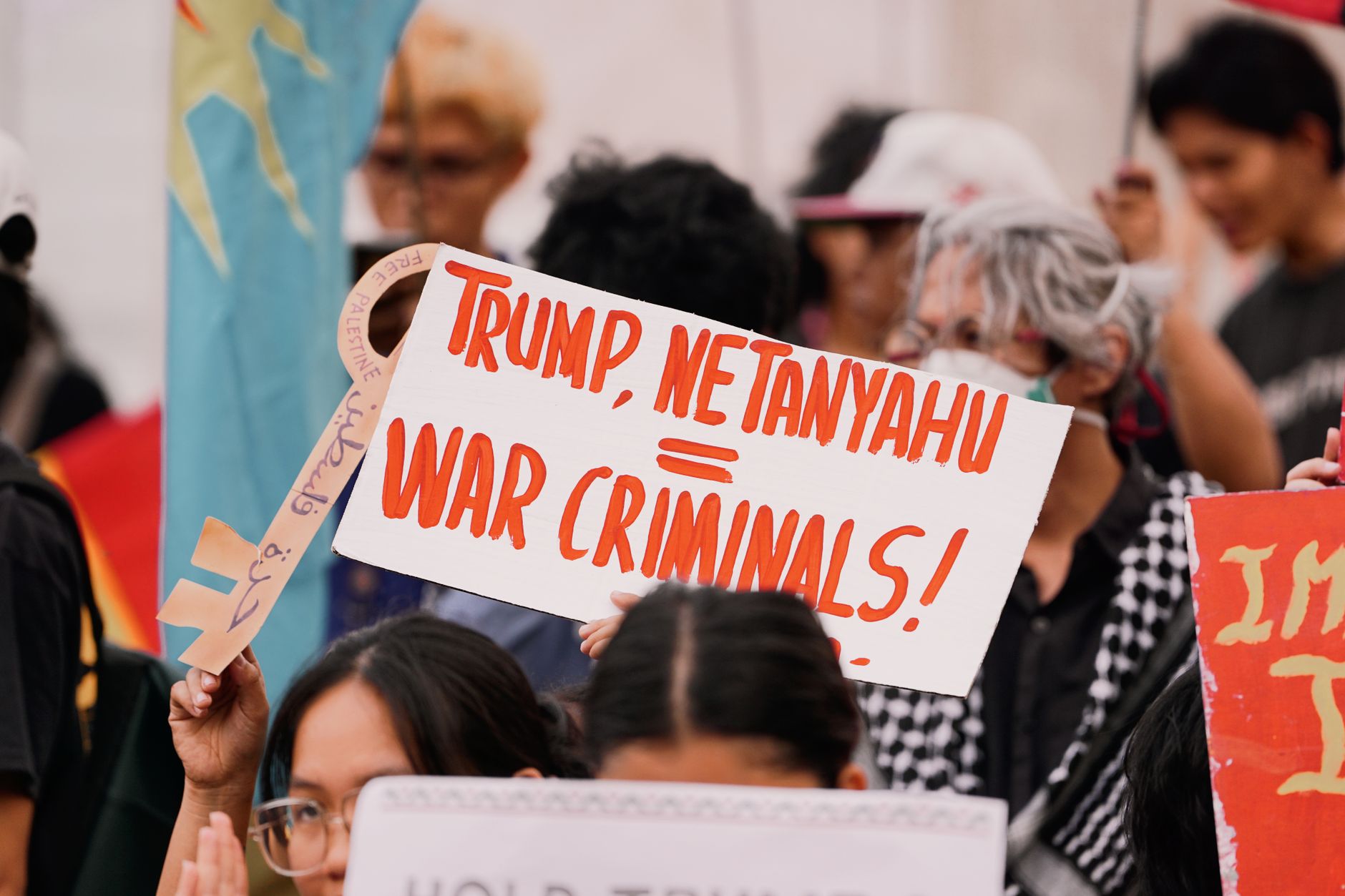
The prospect of a revived Iran deal political nightmare Netanyahu faces is rapidly becoming the central challenge of his current term, as Israel’s longest-serving Prime Minister navigates a volatile intersection of regional war and international diplomacy. With Tehran’s new presidency signaling a calculated willingness to restart nuclear negotiations and the U.S. administration desperate for a regional de-escalation, Netanyahu’s strategy of maximum pressure is under its greatest strain yet. This diplomatic shift threatens to isolate Israel’s hawkish stance while the government remains bogged down in complex multi-front conflicts in Gaza and Lebanon.
The Diplomatic Pivot: Tehran’s New Strategy

The election of Masoud Pezeshkian as Iran’s president has introduced a new variable into the Middle Eastern security equation. Unlike his hardline predecessor, Pezeshkian has utilized high-profile international stages, including the 79th UN General Assembly in September 2024, to project a “smile offensive.” This tactical shift aims to secure sanctions relief by offering a return to the negotiating table regarding Iran’s nuclear program. For Benjamin Netanyahu, this is a recurring ghost. He has long argued that any engagement with the Islamic Republic is a “trap” designed to provide Tehran with the funds needed to fuel its proxies, including Hamas and Hezbollah.
According to Reuters reporting, Iranian officials have expressed a readiness to discuss a “new era” of relations if the West returns to the framework of the Joint Comprehensive Plan of Action (JCPOA). This outreach comes at a time when the International Atomic Energy Agency (IAEA) has reported that Iran’s stockpile of 60% enriched uranium—just a short technical step from weapons-grade—has grown significantly. The IAEA’s latest quarterly report suggests that Iran now possesses enough high-enriched material to produce several nuclear warheads if the decision to weaponize is made.
The Nuclear Threshold: Facts on the Ground
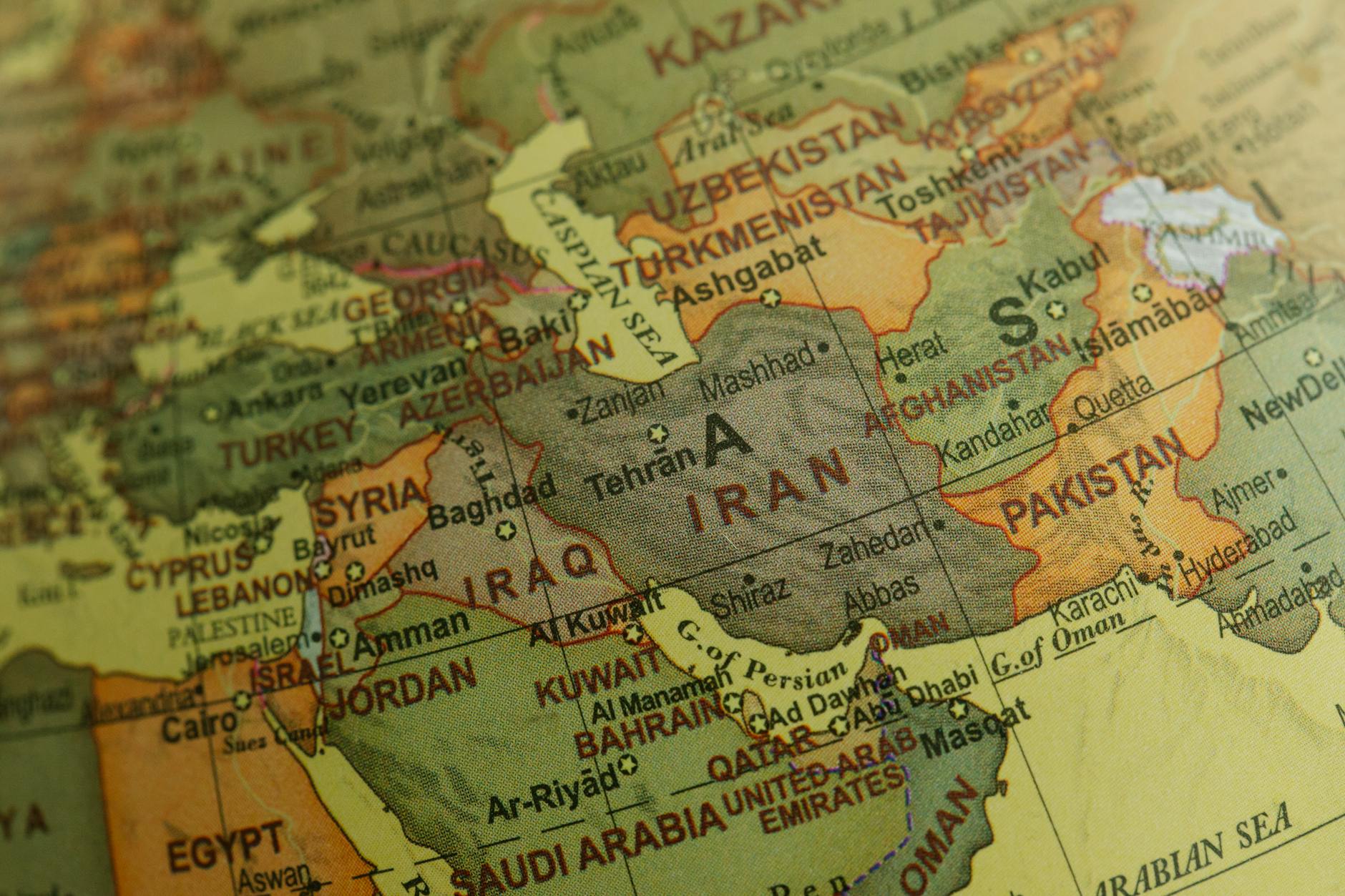
The technical reality of Iran’s nuclear program has reached a point that many analysts call “irreversible.” While the political debate focuses on deals and ceasefires, the scientific progress in Iran’s underground facilities at Natanz and Fordow continues unabated. The IAEA has verified that Iran is now enriching uranium to levels that have no credible civilian purpose. As of the most recent data, Iran’s stockpile of uranium enriched to 60% has increased by over 20 kilograms in the last quarter alone, bringing the total to approximately 165 kilograms.
IAEA Director General Rafael Grossi has warned that the “continuity of knowledge” regarding Iran’s centrifuge production is becoming increasingly fragmented. For Netanyahu, these statistics are not just numbers; they are the justification for his long-standing doctrine that only a “credible military threat” can stop a nuclear Iran. However, as the U.S. focuses on a diplomatic resolution to the Lebanon crisis and the Gaza war, the appetite for a direct military strike on Iranian soil remains low in Washington, creating a strategic rift between the two allies.
A Divided Front: Jerusalem vs. Washington
The friction between the Netanyahu government and the Biden-Harris administration has reached a boiling point over the potential for a ceasefire agreement that includes Iran. The U.S. and France recently proposed a 21-day ceasefire in Lebanon to halt the escalating conflict between Israel and Hezbollah. Netanyahu’s initial hesitance to embrace the proposal was largely driven by his domestic political vulnerability. His far-right coalition partners, National Security Minister Itamar Ben-Gvir and Finance Minister Bezalel Smotrich, have explicitly threatened to topple the government if a ceasefire is signed before Hezbollah is “decimated.”
The political nightmare for Netanyahu is that he is caught between a “bad deal” with Iran that could see billions of dollars flow to the “Axis of Resistance” and a domestic collapse that would end his premiership. BBC analysis suggests that Netanyahu’s traditional image as “Mr. Security” is being eroded by the reality that Iran is arguably in its strongest strategic position in decades, despite the heavy losses suffered by its proxies.
Coalition at the Brink: The Domestic Cost for Netanyahu
Domestically, Netanyahu is fighting a war of survival. Weekly protests in Tel Aviv and Jerusalem, drawing hundreds of thousands of citizens, demand a hostage deal in Gaza and a change in leadership. The introduction of an “Iran deal” into this mix acts as a catalyst for political instability. If Netanyahu accepts a diplomatic path brokered by the U.S., he loses his right-wing base. If he rejects it and pursues a wider war, he risks a total breakdown in relations with the White House and the potential loss of vital military aid.
Expert analyst Anshel Pfeffer of Haaretz notes that “Netanyahu has spent 30 years warning about the Iranian bomb, yet under his watch, Iran has reached the threshold. Any deal now would be seen as a testament to the failure of his maximum pressure strategy.” This sentiment is reflected in current Israeli polling, where a majority of the public expresses distrust in Netanyahu’s ability to manage the Iranian threat while simultaneously handling the domestic economic crisis exacerbated by the ongoing war.
The Bigger Story Behind the Announcement
Behind the headlines of nuclear enrichment and ceasefire proposals lies a deeper shift in regional power dynamics. The “Axis of Resistance”—comprising Iran, Hezbollah, Hamas, the Houthis, and militias in Iraq—has demonstrated a level of coordination that has stretched Israeli defense resources to their limit. For the first time, Israel is facing a sustained, multi-front war where the “head of the snake” in Tehran remains largely insulated from the direct consequences of the fighting.
The latest coverage on New World Updates highlights that the potential for a new Iran deal is not just about nuclear centrifuges; it is about the future of the Middle East’s security architecture. A deal that recognizes Iran as a regional power would necessitate a fundamental shift in Israel’s defense doctrine, moving away from the “Mowing the Grass” strategy toward a much more defensive and diplomatically isolated posture.
Military Options: Is the Table Still Set?
Despite the diplomatic chatter, the Israeli Defense Forces (IDF) have significantly increased their budget for “third-circle” operations—those targeting Iran directly. The Israeli Air Force (IAF) has conducted numerous long-range drills simulating strikes on hardened nuclear facilities. However, military experts warn that without U.S. “bunker-buster” munitions and mid-air refueling support, a solo Israeli strike might only delay, rather than destroy, Iran’s nuclear ambitions.
Defense Minister Yoav Gallant has stated that “all options remain on the table,” but the political reality is that the table is increasingly crowded with diplomatic initiatives. The “nightmare” for Netanyahu is that the military option is becoming a political impossibility as the international community gravitates toward the Pezeshkian outreach.
Frequently Asked Questions (FAQs)
What is the focus keyphrase “Iran deal political nightmare Netanyahu” referring to?
It refers to the strategic and domestic crisis Benjamin Netanyahu faces as Iran seeks new diplomatic nuclear talks with the West, which could undermine his military strategy and threaten his coalition government.
How close is Iran to a nuclear weapon in 2024?
According to the IAEA, Iran has enriched uranium to 60% purity. While this is not yet the 90% weapons-grade level, experts say the “breakout time”—the time needed to reach 90%—is now a matter of days or weeks if the decision is made.
Why does Netanyahu oppose a new Iran nuclear deal?
Netanyahu argues that any deal provides Iran with “pathway to a bomb” and massive financial windfalls that it uses to fund regional proxies like Hezbollah and Hamas, which directly threaten Israeli security.
How does the Lebanon conflict affect the Iran deal negotiations?
The escalation with Hezbollah has made a deal more urgent for the U.S., which wants to prevent a regional war. However, it has made a deal more difficult for Netanyahu, who believes military pressure on Hezbollah is the only way to restore security to northern Israel.
Can Netanyahu’s government survive a new deal with Iran?
It is uncertain. His far-right coalition partners have threatened to resign if Israel agrees to ceasefires or diplomatic concessions that they perceive as a “surrender” to Iranian influence.